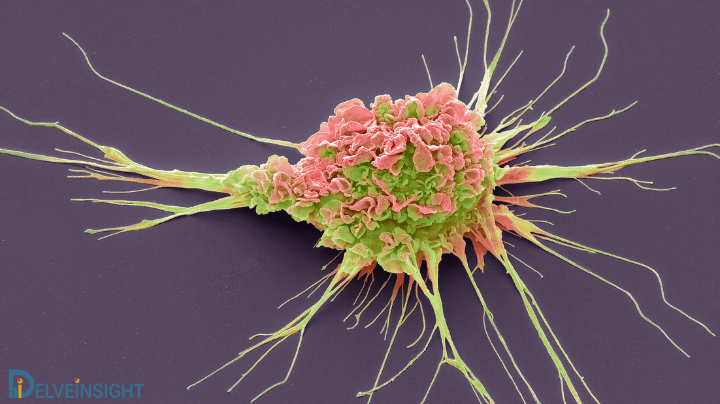
Exosome-based therapies are emerging as a groundbreaking approach in the field of personalized medicine. These microscopic vesicles, naturally derived from cells, are capable of transferring a wide array of bioactive molecules, including proteins, lipids, and RNA, making them ideal candidates for targeted treatments. With their ability to modulate immune responses, promote tissue repair, and deliver therapeutic agents to specific areas of the body, exosome-based treatments are showing immense potential across various medical conditions.
Here are five promising exosome-based therapies that are set to revolutionize personalized medicine:
1. Exosome-Based Treatments for Atopic Dermatitis
Atopic dermatitis (AD) is a chronic inflammatory skin condition that can significantly impact a patient’s quality of life. Traditional treatments often involve the use of steroids or immunosuppressants, which can have side effects with long-term use. However, exosome-based treatments for atopic dermatitis are emerging as a more targeted and effective option. Exosomes derived from mesenchymal stem cells (MSCs) have been shown to modulate immune responses, reduce inflammation, and promote skin regeneration. These exosomes help in reprogramming the immune system to alleviate the hypersensitivity characteristic of AD, offering the potential for a more sustainable and personalized treatment approach.
2. Exosome-Based Therapies for Cancer Immunotherapy
Cancer remains one of the leading causes of death worldwide, and while traditional therapies like chemotherapy and radiation have been widely used, they often come with significant side effects. Exosome-based therapies offer a promising alternative by harnessing the natural properties of exosomes to deliver tumor-specific antigens or immune-modulating factors directly to cancer cells. Recent studies have shown that exosomes can be engineered to carry drugs or RNA molecules, enhancing the body’s immune response against tumors. This targeted delivery could reduce the need for systemic treatments and minimize side effects, paving the way for more effective and personalized cancer therapies.
3. Exosome-Based Treatments for Neurodegenerative Conditions
Neurodegenerative diseases, such as Alzheimer’s disease, Parkinson’s disease, and amyotrophic lateral sclerosis (ALS), are notoriously difficult to treat due to the complexities of the brain and nervous system. However, exosome-based treatments for neurodegenerative conditions are showing great promise in preclinical studies. Exosomes can be engineered to deliver neuroprotective factors, growth factors, and RNA molecules that help repair damaged neurons, promote neurogenesis, and combat inflammation. By targeting the central nervous system directly, exosomes offer the potential for treatments that not only halt the progression of these diseases but also provide personalized therapy based on an individual’s unique genetic makeup.
4. Exosome-Based Gene Therapy
Gene therapy has long been a promising strategy for treating genetic disorders, but its application has been limited by challenges such as safe and efficient delivery of therapeutic genes. Exosome-based gene therapy is now being explored as a solution to these challenges. Exosomes can be engineered to carry therapeutic genes, such as CRISPR-Cas9 or other gene-editing technologies, to specific target cells. Their natural ability to cross biological barriers, such as the blood-brain barrier, makes them ideal for the treatment of genetic diseases, including rare and inherited conditions. This approach could pave the way for more effective gene therapies with reduced risks and side effects, tailored to an individual’s genetic profile.
5. Exosome-Based Stem Cell Therapy
Stem cell therapy has the potential to regenerate damaged tissues and organs, but the challenges of stem cell delivery and survival have hindered its widespread use. Exosome-based stem cell therapy offers a novel solution to these challenges. Exosomes derived from stem cells carry important regenerative factors that promote tissue repair, reduce inflammation, and enhance cell survival. By utilizing exosomes rather than whole stem cells, the risks associated with stem cell therapy, such as tumor formation or immune rejection, are minimized. This method offers a more personalized approach to tissue regeneration, where exosome formulations can be tailored to an individual’s specific medical needs.
The Future of Exosome-Based Therapies
The future of exosome-based therapies looks incredibly promising. With their ability to deliver precise treatments with minimal side effects, exosome-based therapies are poised to play a key role in the evolution of personalized medicine. As research progresses, these therapies will likely expand across a wide range of medical conditions, from autoimmune diseases to cardiovascular disorders, offering more targeted, efficient, and patient-specific treatment options.
In conclusion, exosome-based therapies represent a major step forward in precision medicine, offering novel, targeted, and less invasive treatment options for a variety of conditions, including exosome-based treatments for atopic dermatitis and the treatment of neurodegenerative conditions. With continued advancements in biotechnology, these therapies could soon become a cornerstone of modern healthcare.
Latest Report Offered By DelveInsigh:
Chronic Wounds Market | Congenital Adrenal Hyperplasia Market | Cytokine Release Syndrome Market | Granulomatosis With Polyangiitis Market | Iga Nephropathy Market | Von Willebrand Disease Market | Eosinophilic Esophagitis Market | B-cell Non-hodgkin Lymphoma Market | Alcohol Use Disorder Market | Seborrhea Market | Choroideremia Market | Mrna Based Vaccines And Therapeutics Market | Benefits Of Robotics In Healthcare | Lewy Body Dementia | Energy Based Aesthetic Devices Market | Ependymoma Market | Fertility Monitoring Devices Market | Germ Cell Tumor Market | Hernia Repair Devices Market | Hot Flashes Market | Implantable Cardioverter Defibrillators Market | Keloid Market | Orthopedic Power Devices Market | Pouchitis Market | Surgical Sealant Market | Transthyretin Amyloidosis Market | Vascular Graft Devices Market | Lip And Oral Cavity Cancer Market | Sinus Dilation Devices Market | Inguinal Hernia Market | Plaque Psoriasis Market | Plasmodium Vivax Malaria Market | Hdac Inhibitors Market | Peritoneal Dialysis Equipment Market | Adenosine Deaminase-severe Combined Immunodeficiency Market | Bone Resorption Market | Pelvic Inflammatory Disease Market
 Site Title
Leave a comment