Overview of Hypercoagulability
Hypercoagulability, also known as thrombophilia, is a condition where the blood has an increased tendency to clot. It results from an imbalance in the coagulation system, where factors promoting clotting outweigh those that prevent it. This condition can lead to serious health complications, including deep vein thrombosis (DVT), pulmonary embolism (PE), stroke, and other thrombotic disorders. Hypercoagulability can be either inherited or acquired, with common risk factors including genetic mutations (e.g., Factor V Leiden, prothrombin gene mutation), autoimmune disorders (e.g., antiphospholipid syndrome), and prolonged immobility.
Market Insights
The hypercoagulability market is expected to witness substantial growth due to increasing incidence rates of thrombotic events, advancements in diagnostic testing, and growing awareness about the condition.
- Market Size and Trends:
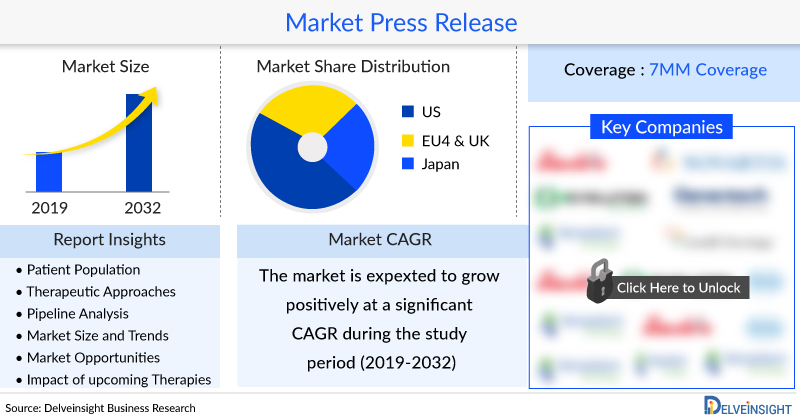
- The global market for hypercoagulability is projected to grow significantly by 2032.
- Growing incidence of venous thromboembolism (VTE) and rising awareness about the risk of hypercoagulability are key factors contributing to market expansion.
- Market growth is also driven by the introduction of advanced therapies and preventive treatments for thrombotic events.
- Current Treatment Landscape:
- Anticoagulant therapies are the mainstay of treatment, including drugs like warfarin, direct oral anticoagulants (DOACs) such as rivaroxaban, apixaban, and dabigatran.
- Thrombolytic therapy is employed in acute cases to dissolve blood clots.
- Emerging therapies are targeting more specific pathways in coagulation, such as inhibitors of factor Xa, thrombin, and platelet aggregation inhibitors.
- Lifestyle and pharmacological interventions to manage underlying risk factors (e.g., obesity, immobility, and pregnancy) are essential in managing hypercoagulability.
- Market Drivers:
- The increasing prevalence of thrombotic events, especially in populations with genetic mutations or autoimmune diseases.
- Advancements in diagnostic tools for identifying genetic mutations and clotting disorders, including genetic testing and biomarkers.
- The development of targeted therapies that offer greater efficacy and fewer side effects compared to traditional anticoagulants.
- A growing number of patient education and awareness programs leading to earlier diagnosis and treatment.
- Market Barriers:
- High costs associated with genetic testing and advanced therapies may limit accessibility in low-resource settings.
- Lack of standardization in treatment protocols, especially for patients with rare or complex thrombophilia conditions.
- Challenges in managing anticoagulation therapy to balance the risk of bleeding with the need to prevent clot formation.
Request for a Free Sample Report @ Hypercoagulability Market
Epidemiology
The global prevalence of hypercoagulability is increasing due to a rise in risk factors such as obesity, aging, and chronic diseases. The most common inherited forms are:
- Factor V Leiden mutation: Most prevalent in people of European descent.
- Prothrombin gene mutation: Common in those with a family history of thrombosis.
- Antiphospholipid syndrome: An acquired condition often associated with autoimmune diseases like lupus.
The global burden of thrombosis is substantial, with an estimated 900,000 cases of deep vein thrombosis and pulmonary embolism occurring annually in the United States alone. In Europe, nearly 10% of adults are estimated to have at least one hereditary thrombophilic condition.
Market Forecast (2032)
By 2032, the market for hypercoagulability therapies is expected to see:
- Substantial growth is driven by the increasing adoption of direct oral anticoagulants (DOACs) due to their ease of use and reduced monitoring requirements.
- A significant increase in genetic testing, enabling earlier detection of thrombophilia.
- Ongoing research into novel therapies, including targeted anticoagulants and biologics aim to specifically address coagulation abnormalities with fewer adverse effects.
Key Players in the Market
Pharmaceutical companies actively involved in the hypercoagulability treatment landscape include:
- Bristol-Myers Squibb (manufacturer of Eliquis)
- Bayer (producer of Xarelto)
- Pfizer (collaborating on thrombotic treatments)
- Novartis (engaged in anticoagulant development)
- Sanofi (key player in anticoagulant and thrombotic therapies)
- Boehringer Ingelheim (manufacturer of Pradaxa)
Request for a Free Sample Report @ Hypercoagulability Market
Emerging Therapies and Research
The pipeline for hypercoagulability is robust, with several promising therapies in development:
- Gene therapies targeting specific genetic mutations related to thrombophilia.
- Antibody-based therapies that inhibit the activity of clotting factors.
- Small molecule inhibitors for the prevention of clot formation with greater precision and fewer side effects.
Challenges and Future Outlook
While the market outlook is positive, challenges remain:
- Access to treatment remains a concern in lower-income regions, where traditional anticoagulants are more commonly used due to cost constraints.
- Management of bleeding risk in patients on long-term anticoagulation therapy requires careful monitoring.
- The heterogeneity of hypercoagulability conditions and the complex nature of thrombosis necessitate personalized treatment strategies.
However, the future remains promising, with advancements in precision medicine, genetic testing, and targeted therapies expected to offer improved outcomes for patients.
Request for a Free Sample Report @ Hypercoagulability Market
Conclusion
The hypercoagulability market is poised for robust growth through 2032, driven by increasing awareness, better diagnostic tools, and advancements in anticoagulant and thrombosis therapies. Ongoing research into genetic and personalized treatments will play a crucial role in the market’s expansion, offering hope for better management of hypercoagulability and its associated risks.
Latest Report Offered By DelveInsigh:
Chronic Wounds Market | Congenital Adrenal Hyperplasia Market | Cytokine Release Syndrome Market | Granulomatosis With Polyangiitis Market | Iga Nephropathy Market | Von Willebrand Disease Market | Eosinophilic Esophagitis Market | B-cell Non-hodgkin Lymphoma Market | Alcohol Use Disorder Market | Seborrhea Market | Choroideremia Market | Mrna Based Vaccines And Therapeutics Market | Benefits Of Robotics In Healthcare | Lewy Body Dementia | Energy Based Aesthetic Devices Market | Ependymoma Market | Fertility Monitoring Devices Market | Germ Cell Tumor Market | Hernia Repair Devices Market | Hot Flashes Market | Implantable Cardioverter Defibrillators Market | Keloid Market | Orthopedic Power Devices Market | Pouchitis Market | Surgical Sealant Market | Transthyretin Amyloidosis Market | Vascular Graft Devices Market | Lip And Oral Cavity Cancer Market | Sinus Dilation Devices Market | Inguinal Hernia Market | Plaque Psoriasis Market | Plasmodium Vivax Malaria Market | Hdac Inhibitors Market | Peritoneal Dialysis Equipment Market | Adenosine Deaminase-severe Combined Immunodeficiency Market | Bone Resorption Market | Pelvic Inflammatory Disease Market
 Site Title
Leave a comment