Introduction to Papilloma
Papilloma refers to a benign tumor that arises from epithelial tissue and is typically characterized by wart-like growths. The term “papilloma” is often used to describe growths caused by infection with human papillomavirus (HPV), a group of more than 200 related viruses. These growths can appear on various parts of the body, including the skin, mucous membranes, and internal organs such as the respiratory and genital systems. While most papillomas are non-cancerous (benign), some, particularly those related to HPV, can develop into malignant tumors if left untreated.
HPV infection, which causes the majority of papillomas, is one of the most common sexually transmitted infections worldwide. Most cases of papillomas are self-limited, but persistent infection with certain strains of HPV can increase the risk of cancers, particularly cervical, anal, or oropharyngeal cancers.
Market Insights
The papilloma market is driven by a growing understanding of HPV-related diseases and the increasing need for both preventive and therapeutic interventions. The market encompasses diagnostic tools for detecting HPV infections and papillomas, as well as vaccines and treatments aimed at managing or eliminating papillomas.
- Increased Incidence of HPV-Related Cancers: The rising incidence of HPV-related cancers, such as cervical cancer, is driving the demand for early diagnosis and prevention methods. With awareness of the links between HPV and certain cancers growing, there is an increased need for vaccines and targeted therapies for papillomas.
- Advances in Vaccine Development: The approval of HPV vaccines, such as Gardasil and Cervarix, has significantly contributed to preventing HPV infection and papilloma-related diseases. Ongoing advancements in vaccine formulations and expansion of vaccination programs globally are expected to impact the market positively.
- Diagnostic Tools and Imaging Technologies: Enhanced diagnostic capabilities, such as HPV testing and imaging technologies, allow for the early detection and monitoring of papillomas, improving patient outcomes. Diagnostic kits for HPV testing are increasingly being incorporated into routine screenings, particularly for cervical cancer.
- Therapeutic Interventions: Several treatments are available for papillomas, including cryotherapy, laser treatment, surgical excision, and topical therapies. In recent years, there has been increasing interest in immunotherapies and antiviral treatments aimed at eradicating HPV infections and preventing the recurrence of papillomas.
- Growing Healthcare Infrastructure in Emerging Markets: As healthcare systems improve in developing regions, access to diagnostic tools and vaccines for papillomas is expanding, contributing to the growth of the market in these areas.
Request for a Free Sample Report @ Papillomas Market
Key Drivers of the Papilloma Market
- Increasing Prevalence of HPV Infections: The global prevalence of HPV infection, which is responsible for many papillomas, is rising, particularly among sexually active individuals. This contributes to an increasing demand for preventive measures such as HPV vaccination and screening programs.
- Rising Incidence of HPV-Related Cancers: As the understanding of the link between HPV infections and cancers grows, the need for effective treatments for papillomas and related malignancies is increasing. The rise in the number of cervical, anal, and oropharyngeal cancers has led to increased demand for both diagnostic tools and treatments for papillomas.
- Advancements in Vaccine Development: The availability of vaccines that prevent HPV infections is a major factor driving the papilloma market. Expanded vaccination programs in many countries, particularly for girls and boys, are reducing the incidence of HPV-related papillomas and cancers.
- Technological Advancements in Diagnostics and Treatment: The development of more efficient diagnostic tools, such as HPV testing kits and high-resolution imaging techniques, is expected to drive market growth. These tools enable early detection of HPV-related papillomas and allow for timely treatment to prevent cancer development.
- Awareness and Public Health Campaigns: Increased awareness about HPV and its role in causing papillomas and cancers is contributing to higher demand for preventive measures such as vaccines and screenings. Public health campaigns, particularly in high-risk regions, are promoting early diagnosis and vaccination.
Request for a Free Sample Report @ Papillomas Market
Challenges in the Papilloma Market
- High Cost of HPV Vaccines and Treatments: The cost of HPV vaccines and related therapeutic interventions, especially in low- and middle-income countries, can be a significant barrier to accessing care. While vaccines are highly effective, their high price can limit accessibility.
- Stigma and Reluctance to Seek Treatment: The stigma surrounding sexually transmitted infections (STIs) such as HPV may discourage individuals from seeking diagnostic tests or treatment for papillomas, leading to late-stage diagnoses and complications.
- Regulatory and Access Barriers: In some regions, regulatory hurdles and the lack of comprehensive healthcare infrastructure can limit access to HPV vaccines and effective treatments for papillomas. Expanding access to these resources is a challenge in resource-constrained settings.
- Limited Awareness in Emerging Markets: While awareness of HPV and its related diseases is growing in developed countries, there is still a lack of awareness in many emerging markets. Efforts to educate populations about the importance of vaccination and regular screening are necessary to improve outcomes.
Competitive Landscape
Several key players dominate the papilloma market, particularly in the areas of vaccine development and diagnostic tools. These companies are focusing on expanding their product portfolios, conducting research into newer treatments, and promoting awareness of HPV-related diseases.
- Merck & Co., Inc.: Merck’s Gardasil and Gardasil 9 vaccines are among the most widely used HPV vaccines globally. These vaccines offer protection against the most common strains of HPV associated with papillomas and related cancers.
- GlaxoSmithKline (GSK): GSK’s Cervarix vaccine is another widely used HPV vaccine, providing protection against high-risk HPV strains associated with cervical cancer and other HPV-related diseases.
- Hologic, Inc.: A leader in diagnostic technologies, Hologic offers a range of HPV testing solutions, including tests for detecting high-risk strains of HPV associated with cervical and other cancers.
- AbbVie Inc.: AbbVie focuses on developing therapies for various viral infections, including HPV, and is involved in the development of antiviral treatments that could potentially treat HPV-induced papillomas.
- Other Players: Other companies, including Bayer AG, Pfizer, Roche, and Abbott, are also actively involved in research and development aimed at improving the diagnosis and treatment of papillomas and HPV infections.
Request for a Free Sample Report @ Papillomas Market
Epidemiology of Papilloma
The epidemiology of papilloma is closely tied to the global prevalence of HPV infections. HPV is highly prevalent, with an estimated 80% of sexually active individuals being infected at some point in their lives. However, the majority of HPV infections are transient and do not result in papillomas or cancers.
Certain factors that contribute to the epidemiology of papilloma include:
- Sexual Activity: Individuals who are sexually active, particularly those with multiple partners, are at a higher risk of HPV infection and subsequent development of papillomas.
- Age: Young individuals, especially those in their teens and twenties, are more likely to contract HPV, although the risk decreases as they age.
- Immune Status: Individuals with compromised immune systems, such as those with HIV, are at an increased risk of developing papillomas.
- Gender: Women, especially those who have multiple sexual partners or have a history of other STIs, are at an increased risk of developing cervical papillomas.
Market Forecast – 2032
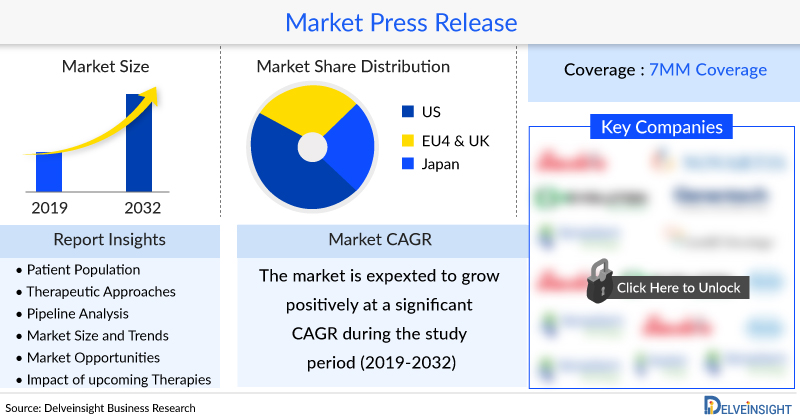
The papilloma market is expected to grow steadily through 2032, driven by continued advancements in HPV vaccines, diagnostic tools, and therapeutics. Increased vaccination rates, especially in young people, will significantly reduce the incidence of HPV infections and related papillomas, but there will continue to be a demand for treatments and diagnostics for existing cases and for HPV-related cancers.
Key Forecast Drivers:
- Increased HPV Vaccination Programs: Ongoing expansion of global vaccination programs and increased adoption of HPV vaccines are expected to reduce the overall incidence of papillomas.
- Rising HPV-Related Cancer Incidence: The increasing awareness of the links between HPV and certain cancers will drive demand for early detection and treatment options.
- Advancements in Diagnostic and Treatment Technologies: Emerging diagnostic tests and therapies will further improve patient outcomes, leading to growth in the papilloma market.
Conclusion
The papilloma market is poised for moderate growth by 2032, fueled by the global efforts to reduce HPV infections through vaccination and improved access to diagnostic tools. As awareness of HPV’s role in causing papillomas and cancers increases, demand for preventive measures and treatments will rise. However, challenges such as high treatment costs, regulatory hurdles, and public awareness will need to be addressed to maximize market potential.
Latest Reports Offered By DelveInsight:
CD-38 Market | AKT Inhibitor Market | CDK 7 Inhibitors Market | BCMA Targeted Therapies Market | BTK Inhibitors Market | PLK1 Inhibitor Market | Mesenchymal-epithelial Transition Factor (MET) Market | Opioid Kappa Receptor Agonists Market | TIGIT Inhibitors Market | BCL-2 Inhibitors Market
 Site Title
Leave a comment