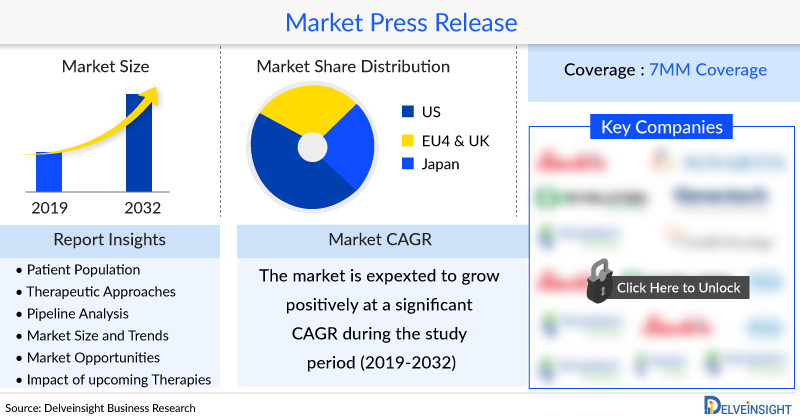
The ventilator market has seen significant growth due to the increasing demand for respiratory support devices, particularly in critical care and emergency settings. Ventilators are crucial in the treatment of respiratory diseases, such as chronic obstructive pulmonary disease (COPD), pneumonia, acute respiratory distress syndrome (ARDS), and during surgical procedures. The COVID-19 pandemic further highlighted the need for ventilators, spurring innovation and increasing the market size.
Market Overview
Ventilators are medical devices used to assist or replace spontaneous breathing in patients with respiratory failure. There are two main types of ventilators: invasive (used with endotracheal tubes) and non-invasive (used with masks or nasal prongs). Invasive ventilators are generally used in intensive care units (ICUs), whereas non-invasive ventilators are more commonly used for less severe cases or during sleep studies.
The ventilators market is driven by several factors, including:
- Increasing Respiratory Disorders: A rising global prevalence of respiratory diseases, such as COPD, asthma, pneumonia, and ARDS, contributes to the demand for ventilators.
- Aging Population: As the global population ages, the incidence of respiratory disorders increases, which leads to a higher demand for mechanical ventilation.
- COVID-19 Pandemic: The COVID-19 pandemic has underscored the critical need for ventilators. Many countries and hospitals faced shortages, leading to a spike in ventilator production and innovation.
- Technological Advancements: Modern ventilators have become more sophisticated, with advanced features like patient monitoring systems, AI-based algorithms, and improved comfort for patients. These technological advances have made ventilators more efficient and easier to use.
- Rising Healthcare Expenditure: Increasing healthcare investments and improved hospital infrastructure in developing regions have expanded the demand for critical care equipment, including ventilators.
Request for a Free Sample Report @ ventilators market
Market Segmentation
The ventilators market can be segmented based on the following factors:
- By Type:
- Invasive Ventilators: These are used for severe respiratory failure and are typically used in hospital settings, such as ICUs and emergency departments.
- Non-Invasive Ventilators: These are used for less severe conditions or as a short-term support solution, often in home care or outpatient settings.
- By Mode of Ventilation:
- Positive Pressure Ventilators: These devices push air into the lungs through a breathing tube.
- Negative Pressure Ventilators: These devices create a vacuum around the chest to assist in breathing (used less frequently today).
- By End-User:
- Hospitals: The largest segment, with hospitals accounting for a significant portion of the market due to the high demand for ventilators in intensive care units and emergency settings.
- Home Care: Increasingly, ventilators are being used in home care settings, particularly for patients with chronic respiratory diseases.
- Ambulatory Care Centers: These centers, providing both emergency and post-surgical care, also contribute to the demand for ventilators.
- By Region:
- North America: The largest market for ventilators, driven by high healthcare expenditure and advanced healthcare infrastructure.
- Europe: The market is growing, with a strong presence of key manufacturers and healthcare systems focused on critical care.
- Asia-Pacific: Fast-growing region due to increasing healthcare investments, large patient population, and rising respiratory disease prevalence.
- Latin America & Middle East & Africa (MEA): These regions are witnessing a gradual increase in demand due to healthcare infrastructure improvements.
Key Drivers of Market Growth
- Increased Prevalence of Respiratory Diseases: Chronic respiratory conditions and acute respiratory failure are major contributors to the growth of the ventilators market. Diseases like COPD, asthma, and pneumonia require continuous ventilation support.
- Technological Innovations: The development of advanced ventilators with features like automated alarms, customizable settings, real-time patient data analysis, and improved comfort has broadened the range of applications and improved patient outcomes.
- Rising Awareness and Access to Healthcare: As awareness of respiratory diseases grows, particularly with an aging population, there is a greater focus on improving patient care through mechanical ventilation.
- COVID-19 Pandemic: The COVID-19 pandemic increased ventilator demand due to the severe respiratory symptoms in patients. This also led to advancements in ventilator technology and the scale-up of production.
Request for a Free Sample Report @ ventilators market
Competitive Landscape
The global ventilators market is highly competitive, with several large medical device companies leading the market. Some of the prominent companies in the ventilators market include:
- Philips Healthcare: A leading player in the ventilators market, offering a broad range of ventilators for both invasive and non-invasive applications.
- Medtronic: Medtronic’s ventilators are widely used in hospitals for intensive care settings, and the company has expanded its offerings with advanced ventilation solutions.
- GE Healthcare: GE Healthcare provides a range of ventilators that cater to both critical care and non-invasive requirements. The company focuses on providing innovative solutions for improved patient care.
- Drägerwerk: Known for its expertise in respiratory care, Drägerwerk manufactures ventilators widely used in hospitals, with products aimed at both adult and pediatric patients.
- ResMed: ResMed is a key player in non-invasive ventilators, especially for home care settings. The company is recognized for its CPAP (continuous positive airway pressure) devices and home ventilation solutions.
- Hamilton Medical: Specializing in high-performance ventilators for use in intensive care units and operating rooms, Hamilton Medical is known for its advanced technology and customizable settings.
- Breas Medical: This company focuses on non-invasive ventilation devices and offers portable solutions, expanding the use of ventilators outside of hospital settings.
Market Forecast (2023-2030)
The global ventilators market is expected to experience significant growth, driven by technological advancements, increasing demand from emerging markets, and the growing burden of respiratory diseases. The market is projected to grow at a CAGR of 8-10% during the forecast period (2023-2030).
Key factors influencing the forecast include:
- Innovation in Ventilator Technology: Continued advancements in artificial intelligence, real-time monitoring, and integrated patient management systems are expected to drive the market’s growth.
- Growing Demand in Emerging Markets: As healthcare infrastructure improves in regions like Asia-Pacific, Latin America, and the Middle East, the demand for ventilators is set to rise.
- Post-COVID Recovery: As healthcare systems recover from the COVID-19 pandemic, the demand for critical care equipment, including ventilators, will stabilize but remain strong.
Request for a Free Sample Report @ ventilators market
Conclusion
The ventilators market is poised for significant growth by 2030. Technological advancements, the growing prevalence of respiratory diseases, and increasing demand for critical care are key factors that will continue to drive the market forward. While competition is high, companies that innovate in ventilator technology, increase their manufacturing capabilities, and expand into emerging markets will be well-positioned for success in the coming years.
Latest Reports Offered By DelveInsight:
CD-38 Market | AKT Inhibitor Market | CDK 7 Inhibitors Market | BCMA Targeted Therapies Market | BTK Inhibitors Market | PLK1 Inhibitor Market | Mesenchymal-epithelial Transition Factor (MET) Market | Opioid Kappa Receptor Agonists Market | TIGIT Inhibitors Market | BCL-2 Inhibitors Market
 Site Title
Leave a comment