Overview: Orthostatic hypotension (OH) is a condition characterized by a significant drop in blood pressure when transitioning from a supine or seated position to an upright one. This leads to symptoms such as dizziness, lightheadedness, and fainting. It is typically caused by an insufficient compensatory response of the autonomic nervous system to maintain blood pressure during positional changes.
OH is often associated with other underlying conditions like diabetes, Parkinson’s disease, and cardiovascular disorders. It can also be induced by medications, dehydration, blood loss, or autonomic dysfunction. The condition is prevalent in elderly populations, but it can affect individuals of all ages.
Epidemiology:
- Prevalence: The global prevalence of orthostatic hypotension increases with age, with up to 20% of individuals aged 65 and older experiencing symptoms. The condition is seen in about 5-30% of older adults and is particularly common in individuals with comorbidities like diabetes, Parkinson’s disease, and cardiovascular diseases.
- Age and Gender: Older adults, especially those over 60 years of age, are at a higher risk. Men tend to have a slightly higher prevalence than women, but the difference narrows in older populations.
- Comorbidities: OH is often associated with other chronic conditions such as diabetes, neurodegenerative diseases (e.g., Parkinson’s), and cardiovascular diseases. Additionally, medications such as diuretics, antihypertensives, and antidepressants can contribute to the development of orthostatic hypotension.
Request for a Free Sample Report @ Orthostatic Hypotension Treatment Market
Market Insight: The orthostatic hypotension market is expected to see growth over the next decade, driven by an aging global population, the rising incidence of comorbidities, and increasing awareness about the condition. The market is anticipated to benefit from the introduction of new therapeutic options, both pharmacological and non-pharmacological, to manage and treat this condition effectively.
Current Treatment Landscape:
- Lifestyle Modifications:
- Increased Fluid Intake: Encouraging patients to consume more fluids helps prevent dehydration, which is a common cause of OH.
- Dietary Changes: Increased salt intake can help raise blood pressure, though this is typically advised under medical supervision.
- Compression Stockings: These are used to prevent blood from pooling in the lower limbs, aiding in blood circulation and raising blood pressure.
- Postural Changes: Gradually rising from a sitting or lying position can prevent a sudden drop in blood pressure.
- Pharmacological Treatments:
- Midodrine: A vasopressor that constricts blood vessels to help raise blood pressure in OH patients.
- Fludrocortisone: A corticosteroid that helps expand blood volume and improve blood pressure regulation.
- Droxidopa: A norepinephrine precursor used for neurogenic orthostatic hypotension, particularly in patients with neurological causes.
- Other Agents: Selective serotonin-norepinephrine reuptake inhibitors (SNRIs) and other vasoconstrictors may also be used in select patients.
- Emerging Therapies:
- The treatment landscape is evolving, with ongoing research into new therapies aimed at addressing the autonomic dysfunction central to OH.
- New drugs targeting the autonomic nervous system and novel therapeutic approaches, including adrenergic agents, are under development.
- Devices: There is growing interest in non-pharmacological devices such as wearable sensors and electrical stimulation devices to help manage the symptoms of orthostatic hypotension.
Request for a Free Sample Report @ Orthostatic Hypotension Treatment Market
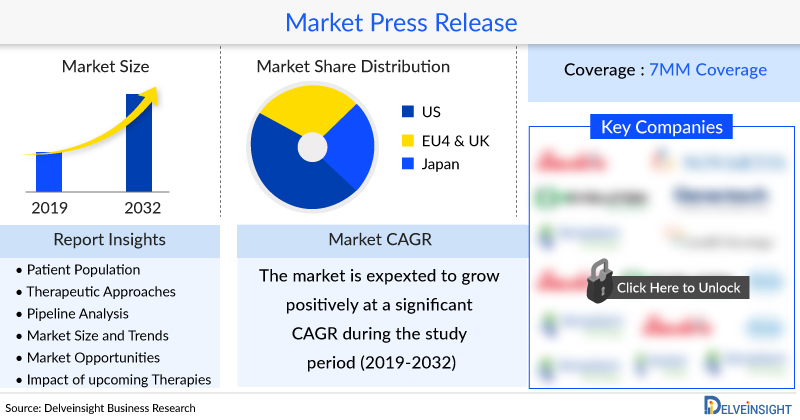
Market Forecast (2032): The market for orthostatic hypotension is expected to grow steadily by 2032, fueled by increasing awareness, an aging population, and advancements in the development of more effective treatments. The market will benefit from the continued introduction of innovative therapies, improved diagnosis, and greater recognition of the condition’s impact on the elderly population.
Key Market Drivers:
- Aging Population: As the global population ages, the prevalence of orthostatic hypotension is expected to rise, contributing to increased demand for treatments.
- Rising Awareness: Increased awareness among healthcare providers and patients, alongside improved diagnostic capabilities, will lead to earlier intervention and treatment.
- Advancements in Therapy: The development of novel drugs targeting the pathophysiology of orthostatic hypotension and improvements in device-based treatments will expand the treatment options available to patients.
Key Challenges:
- Underdiagnosis: Many cases of OH go undiagnosed, particularly in the elderly, due to the condition being underrecognized or attributed to other causes.
- Side Effects of Current Treatments: Existing treatments may have limitations in efficacy or come with side effects that impact patient adherence.
- Healthcare Accessibility: In some regions, access to advanced treatment options and specialized care may be limited, constraining market growth.
Key Players in the Market:
- Midodrine Manufacturers: Companies like Shire Pharmaceuticals (now part of Takeda) and Eisai play a key role in the treatment of orthostatic hypotension with midodrine.
- Fludrocortisone Producers: Companies such as Pfizer and Mylan produce fludrocortisone, a widely used medication for OH.
- Droxidopa: Chelsea Therapeutics (now acquired by Lundbeck) developed droxidopa (Northera), used in neurogenic orthostatic hypotension.
- Medical Device Companies: Medtronic and Abbott are exploring devices to aid in the management of orthostatic hypotension.
Request for a Free Sample Report @ Orthostatic Hypotension Treatment Market
Conclusion: The orthostatic hypotension market is poised for growth through 2032, driven by the increasing prevalence of the condition in aging populations, advancements in treatment options, and greater recognition of the impact of the disease. As more therapies, both pharmacological and non-pharmacological, are developed and made accessible, patients with orthostatic hypotension will have improved management strategies, ultimately enhancing their quality of life. The market will continue to evolve with innovative treatments addressing the underlying causes of OH and better managing symptoms, offering hope for improved patient outcomes in the coming decade.
Latest Reports Offered By DelveInsight:
CD-38 Market | AKT Inhibitor Market | CDK 7 Inhibitors Market | BCMA Targeted Therapies Market | BTK Inhibitors Market | PLK1 Inhibitor Market | Mesenchymal-epithelial Transition Factor (MET) Market | Opioid Kappa Receptor Agonists Market | TIGIT Inhibitors Market | BCL-2 Inhibitors Market
 Site Title
Leave a comment