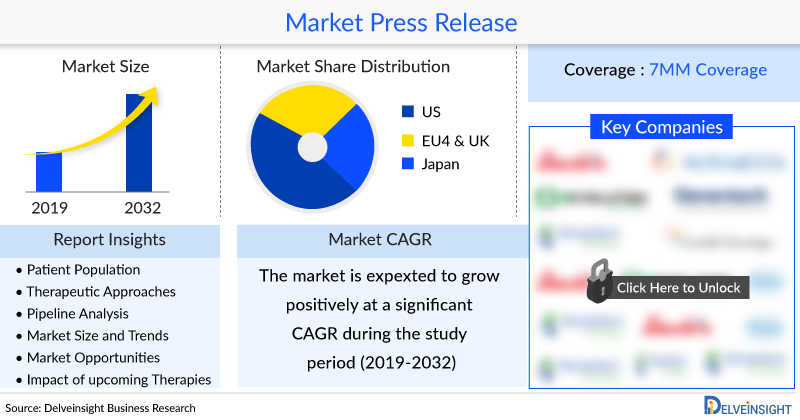
The landscape of cardiovascular interventions is undergoing a transformation with the advent of resorbable vascular scaffolds (RVS). These innovative devices are designed to support blood vessels after percutaneous coronary interventions (PCI) and gradually dissolve over time, eliminating the need for permanent implants. As the demand for minimally invasive and biocompatible solutions grows, the market for resorbable vascular scaffolds is expected to expand significantly in the coming years. This article provides an in-depth overview of the market insights, competitive landscape, and future market forecast for resorbable vascular scaffolds from 2024 to 2030.
Market Insights
Resorbable vascular scaffolds (RVS), also known as bioresorbable stents, represent a promising alternative to traditional metallic stents in treating coronary artery disease (CAD). These scaffolds are typically made of biocompatible materials, such as polylactic acid (PLA) or polyglycolic acid (PGA), that are absorbed by the body over time, thus minimizing the long-term complications associated with permanent metal stents, such as late stent thrombosis and restenosis.
The RVS market is poised for growth due to several factors:
- Increasing Prevalence of Cardiovascular Diseases: The rising global prevalence of heart disease, driven by factors like an aging population, sedentary lifestyles, and unhealthy diets, is fueling the demand for more advanced and effective treatment options, including resorbable vascular scaffolds.
- Technological Advancements: Ongoing innovations in biomaterials and scaffold design are improving the performance and safety of RVS. Companies are investing heavily in developing scaffolds with better mechanical properties, faster resorption rates, and enhanced biocompatibility.
- Shift Toward Minimally Invasive Procedures: With the growing preference for minimally invasive treatments, RVS is emerging as a viable option due to its ability to provide temporary vessel support without leaving a permanent implant. This trend is driving the adoption of RVS, particularly in elective PCI procedures.
- Favorable Regulatory Environment: As regulatory authorities like the FDA and EMA continue to provide approvals and streamline the regulatory process for new medical devices, companies are seeing more opportunities for introducing RVS to the market.
- Patient and Physician Preference: Patients increasingly favor treatments that avoid long-term implants, and physicians are advocating for solutions that reduce the risk of complications and enhance the overall healing process post-procedure.
Request for a Free Sample Report @ Resorbable Vascular Scaffolds Market
Competitive Landscape
The market for resorbable vascular scaffolds (RVS) is highly competitive, with several key players leading innovation and shaping the market’s growth trajectory. These players are focused on developing next-generation scaffolds that improve resorption times, mechanical strength, and clinical outcomes.
Some of the key companies in the RVS market include:
- Abbott Laboratories: Abbott has been a leader in the development of bioresorbable scaffolds, particularly with its Absorb Bioresorbable Vascular Scaffold. Although the Absorb device faced some challenges in the market, Abbott continues to invest in next-generation scaffold technologies, expanding its portfolio.
- Medtronic: Medtronic’s MGuard and SAPIEN scaffold technologies aim to provide resorbable solutions with enhanced drug delivery systems. The company continues to refine its RVS products to offer greater stability and improved patient outcomes.
- Boston Scientific: Boston Scientific is also involved in the development of bioresorbable vascular scaffolds. The company focuses on the application of its expertise in stent technology to design RVS that meet the needs of modern PCI procedures.
- Biotronik: Biotronik’s Magmaris scaffold is one of the most notable offerings in the RVS market. The company has garnered attention for its advancements in the use of magnesium-based scaffolds, which offer an ideal balance of mechanical support and biodegradability.
- Elixir Medical: Elixir Medical’s Desolve scaffold is another key player in the RVS space. The company is focusing on creating fully bioresorbable stents with a unique drug-eluting design, aimed at enhancing clinical outcomes in coronary interventions.
Request for a Free Sample Report @ Resorbable Vascular Scaffolds Market
Market Challenges
While the RVS market shows promising growth, several challenges must be addressed:
- Clinical Outcomes and Safety: Long-term clinical data is critical for proving the safety and efficacy of RVS. The early exit of products like Abbott’s Absorb device from the market due to safety concerns highlights the need for ongoing clinical validation and patient monitoring.
- Cost Considerations: Resorbable scaffolds tend to be more expensive than traditional metallic stents, which may limit their adoption in price-sensitive markets. Although prices are expected to decrease with technological advancements and increased competition, cost remains a significant barrier in widespread adoption.
- Market Education: Both patients and healthcare professionals need further education about the benefits and limitations of RVS. Efforts to raise awareness of the advantages of resorbable scaffolds over traditional stents are essential to accelerate market penetration.
Market Forecast (2024-2030)
The resorbable vascular scaffolds market is expected to experience significant growth between 2024 and 2030. Key drivers of this growth will include:
- Rising Incidence of Cardiovascular Diseases: The global rise in heart disease, particularly in emerging markets, will increase the demand for innovative treatment options, including RVS.
- Technological Innovation: Ongoing advancements in scaffold materials, design, and drug-eluting technologies will expand the clinical indications for RVS, leading to broader market acceptance.
- Expansion in Emerging Markets: As healthcare infrastructure improves in developing regions, the demand for advanced stent technologies, including RVS, is expected to grow, particularly in countries like China and India.
Based on current trends, the global RVS market is projected to reach a valuation of USD 7-8 billion by 2030, growing at a compound annual growth rate (CAGR) of approximately 12-15% from 2024 to 2030.
Request for a Free Sample Report @ Resorbable Vascular Scaffolds Market
Conclusion
The resorbable vascular scaffolds market is positioned for significant growth due to the rising prevalence of cardiovascular diseases, technological advancements, and increasing patient preference for minimally invasive treatments. While challenges remain, particularly in terms of clinical validation and cost, the future of RVS looks promising with ongoing innovations and a favorable regulatory environment. As companies continue to invest in improving the performance and safety of resorbable scaffolds, this market is expected to evolve into a key segment of the global cardiovascular device industry by 2030.
Latest Reports Offered By DelveInsight:
CD-38 Market | AKT Inhibitor Market | CDK 7 Inhibitors Market | BCMA Targeted Therapies Market | BTK Inhibitors Market | PLK1 Inhibitor Market | Mesenchymal-epithelial Transition Factor (MET) Market | Opioid Kappa Receptor Agonists Market | TIGIT Inhibitors Market | BCL-2 Inhibitors Market
 Site Title
Leave a comment