Overview of Hypercoagulability: Hypercoagulability, also known as a hypercoagulable state or thrombophilia, refers to an increased tendency of the blood to form clots. This condition may lead to the formation of abnormal blood clots (thrombosis) in veins and arteries, resulting in conditions such as deep vein thrombosis (DVT), pulmonary embolism (PE), and stroke. Hypercoagulability may be inherited (genetic) or acquired due to certain medical conditions, lifestyle factors, or medications.
The condition is characterized by an imbalance in the coagulation system, where pro-coagulant factors outweigh anticoagulant factors, leading to excessive clot formation. Common causes of hypercoagulability include genetic mutations (e.g., Factor V Leiden, prothrombin mutation), antiphospholipid syndrome, malignancy, pregnancy, oral contraceptive use, and obesity.
Epidemiology of Hypercoagulability: Hypercoagulability is a significant medical concern worldwide, with a broad range of affected individuals, especially those with underlying risk factors such as genetic mutations, certain medications, and lifestyle choices. The prevalence of inherited thrombophilia varies depending on the specific genetic mutation or disorder. For example, the prevalence of Factor V Leiden mutation in Caucasian populations is around 3-5%, while prothrombin gene mutation occurs in approximately 2-3% of the population.
Acquired hypercoagulability is commonly associated with conditions such as cancer, autoimmune diseases, pregnancy, and the use of hormonal contraceptives. The overall prevalence of venous thromboembolism (VTE), which is closely related to hypercoagulability, is estimated to be 1 in 1,000 adults annually, with the risk increasing with age and in individuals with genetic or acquired risk factors.
Request for a Free Sample Report @ Hypercoagulability Market
Market Insight for Hypercoagulability: The hypercoagulability market is primarily driven by the increasing prevalence of thrombosis and the rising awareness of genetic conditions contributing to hypercoagulability. Despite the availability of anticoagulants and clot-busting medications, the management of hypercoagulability remains complex due to the diverse underlying causes. Current treatments are focused on anticoagulation therapy, including direct oral anticoagulants (DOACs), low-molecular-weight heparin (LMWH), and warfarin. However, there remains an unmet need for targeted therapies that specifically address the underlying causes of hypercoagulability.
Key players in the hypercoagulability market include pharmaceutical companies that are developing new anticoagulants, genetic testing services for detecting inherited thrombophilia, and diagnostics companies. Novel therapies, such as gene therapies and targeted anticoagulation treatments, are being explored to provide more personalized and effective management options for individuals with hypercoagulability.
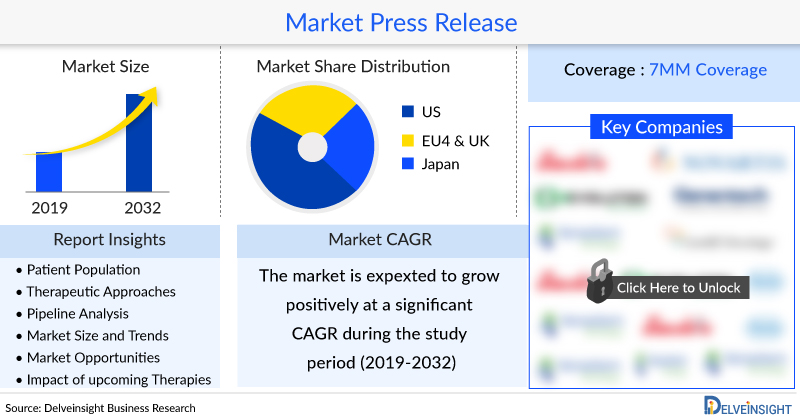
Market Forecast for Hypercoagulability (2032): The hypercoagulability market is expected to experience steady growth through 2032, driven by advances in diagnostic technologies, genetic testing, and the development of more effective and safer therapeutic options. The increasing adoption of personalized medicine, with tailored anticoagulant treatments based on individual risk factors, will contribute to market expansion.
Key drivers for market growth include:
- Rising incidence of thromboembolic disorders and awareness of underlying genetic factors.
- Advancements in diagnostics, including genetic testing for inherited thrombophilia.
- Development of targeted therapies and novel anticoagulants with fewer side effects.
- Increased focus on preventing thrombosis in high-risk patient populations (e.g., cancer patients, those undergoing surgery, pregnant women).
However, challenges such as the high cost of genetic testing, the need for better long-term management strategies, and the complexity of treating individuals with multiple risk factors for hypercoagulability may hinder market growth.
Overall, the hypercoagulability market is expected to see robust growth, with significant opportunities for innovation in diagnosis and treatment options by 2032. The focus on personalized treatment strategies and more efficient management of thromboembolic events is expected to drive the demand for new therapies and diagnostic solutions.
Request for a Free Sample Report @ Hypercoagulability Market
Conclusion: The hypercoagulability market presents significant opportunities for healthcare companies to address the growing need for advanced diagnostic and treatment options. With the increasing recognition of genetic causes and acquired factors contributing to hypercoagulability, the market is poised for significant growth by 2032. Continued research and development of novel anticoagulants, genetic tests, and targeted therapies will shape the future of this market.
Latest Reports Offered By DelveInsight:
CD-38 Market | AKT Inhibitor Market | CDK 7 Inhibitors Market | BCMA Targeted Therapies Market | BTK Inhibitors Market | PLK1 Inhibitor Market | Mesenchymal-epithelial Transition Factor (MET) Market | Opioid Kappa Receptor Agonists Market | TIGIT Inhibitors Market | BCL-2 Inhibitors Market
 Site Title
Leave a comment