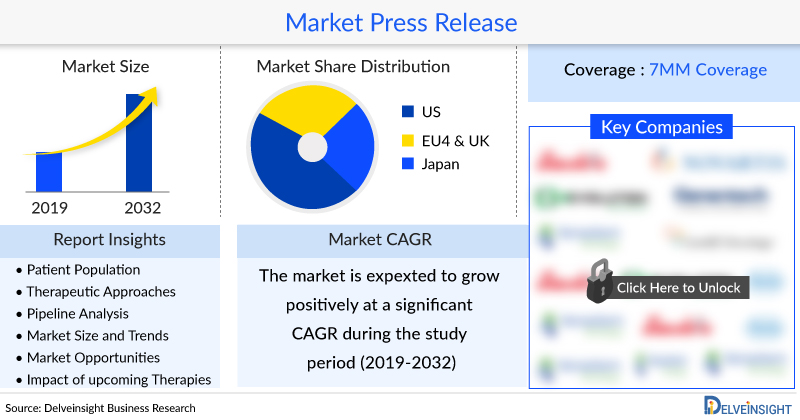
Tumor ablation is a minimally invasive procedure used to destroy or shrink tumors by applying heat, cold, or chemicals directly to the tumor site. This technique is often used in the treatment of solid tumors in various organs, such as the liver, kidneys, lung, and bones. Tumor ablation is typically considered when surgery is not an option due to the tumor’s location, the patient’s overall health, or if the tumor is recurrent. As advancements in medical technology continue, tumor ablation methods are evolving, and the global market for these treatments is projected to experience significant growth. This article explores the market insights, competitive landscape, and market forecast for tumor ablation therapies through 2030.
Market Insights
The global tumor ablation market is experiencing robust growth, driven by several factors, including increasing cancer prevalence, advancements in ablation technologies, rising patient preference for minimally invasive procedures, and improved reimbursement scenarios. Here are the key factors influencing the tumor ablation market:
- Rising Incidence of Cancer
The incidence of cancer is rising globally, with millions of people diagnosed with different forms of cancer each year. According to the World Health Organization (WHO), cancer is one of the leading causes of death worldwide. The increasing prevalence of solid tumors, particularly in organs like the liver, lung, and kidney, is driving demand for alternative and minimally invasive treatment options such as tumor ablation. - Minimally Invasive Nature of Ablation Procedures
Tumor ablation offers several benefits over traditional surgery, including smaller incisions, shorter recovery times, and less postoperative pain. These advantages make it an attractive treatment option for both patients and healthcare providers, especially in cases where the tumor is not amenable to surgery or when the patient’s overall health makes surgery risky. The increased focus on minimally invasive procedures is accelerating the adoption of tumor ablation therapies. - Advancements in Ablation Technologies
Several technologies are used in tumor ablation, including radiofrequency ablation (RFA), microwave ablation (MWA), cryoblation, and laser ablation. Each method offers different advantages depending on the tumor type, size, and location. Continued advancements in these technologies, such as better precision, improved imaging techniques, and real-time monitoring, are enhancing the efficacy and safety of tumor ablation procedures, thereby fueling market growth. - Emerging Applications in Non-Surgical Tumor Treatment
Tumor ablation is increasingly being used as a treatment for tumors that are not easily resectable. In addition to primary cancer treatment, tumor ablation is being explored for palliative care to alleviate symptoms and improve the quality of life in patients with advanced-stage cancer. This expansion into a broader range of cancer types and stages is contributing to market growth. - Combination Therapies and Personalized Treatment Approaches
There is a growing trend of combining tumor ablation with other therapies, such as chemotherapy, immunotherapy, and radiation therapy, to improve treatment outcomes. Personalized treatment approaches, where tumor ablation is tailored to an individual’s specific cancer type and tumor characteristics, are becoming increasingly common, improving both efficacy and patient satisfaction.
Request for a Free Sample Report @ Tumor ablation Market
Competitive Landscape
The tumor ablation market is highly competitive, with numerous key players offering a variety of products and technologies to meet the increasing demand for minimally invasive cancer treatments. The competitive landscape is defined by innovation, strategic partnerships, mergers and acquisitions, and product launches. Key players in the market include:
- Medtronic plc
Medtronic is a global leader in medical devices and has a strong presence in the tumor ablation market with its radiofrequency ablation systems. The company has a comprehensive portfolio of tumor ablation products for various tumor types and continues to innovate with new offerings. - Boston Scientific Corporation
Boston Scientific is a major player in the tumor ablation market, particularly with its Microwave Ablation and Cryoablation technologies. The company has been focusing on expanding its presence in emerging markets, with a focus on minimally invasive procedures for cancer treatment. - Hologic, Inc.
Hologic offers advanced radiofrequency ablation and laser ablation technologies, which are widely used in treating uterine fibroids and various solid tumors. The company’s innovations in imaging and ablation techniques have contributed to its strong market position. - AngioDynamics
AngioDynamics specializes in radiofrequency ablation devices and has a comprehensive portfolio for tumor ablation. The company is a key player in treating liver and kidney tumors and has developed several new products to enhance the efficacy of tumor ablation therapies. - Elekta AB
Elekta is well-known for its stereotactic body radiation therapy (SBRT) devices, but it has also ventured into the tumor ablation market with its range of solutions designed to treat tumors in the brain, liver, and lungs. - Other Notable Players
Other companies involved in the tumor ablation market include Varian Medical Systems, Conmed Corporation, and Iterative Scanners, among others. These companies focus on developing advanced technologies, improving patient outcomes, and expanding their market presence through strategic partnerships and collaborations.
Request for a Free Sample Report @ Tumor ablation Market
Market Forecast: 2023-2030
The global tumor ablation market is expected to grow at a compound annual growth rate (CAGR) of 7-9% between 2023 and 2030. Several factors contribute to this growth:
- Technological Advancements
Innovations in ablation technologies, such as higher precision, advanced imaging techniques, and new methods for combining therapies, will drive the market. The development of next-generation radiofrequency and microwave ablation devices is expected to play a key role in expanding the market. - Increasing Adoption of Minimally Invasive Procedures
The growing preference for minimally invasive treatment options will continue to support the adoption of tumor ablation procedures. Patients and healthcare providers alike are increasingly opting for these procedures, which offer quicker recovery times and fewer complications compared to traditional surgical methods. - Rising Cancer Incidence
The increasing global burden of cancer, particularly in high-risk areas such as liver, kidney, and lung cancer, will continue to drive demand for effective treatment options like tumor ablation. The rising number of cases of solid tumors that are difficult to treat with surgery will expand the application of tumor ablation procedures. - Growing Demand for Palliative Care
As the focus shifts toward improving the quality of life for cancer patients with advanced-stage tumors, the role of tumor ablation in palliative care is expected to grow. Tumor ablation techniques are increasingly being used to reduce tumor size and alleviate symptoms such as pain and obstruction, providing relief to patients who are not candidates for surgery. - Expanding Market in Emerging Regions
The increasing availability of advanced healthcare infrastructure in emerging regions such as Asia-Pacific, Latin America, and the Middle East will drive growth in the tumor ablation market. As the healthcare systems in these regions improve, the adoption of minimally invasive cancer treatments like tumor ablation will increase.
Challenges and Opportunities
While the tumor ablation market holds considerable potential, it faces some challenges:
- High Treatment Costs: Advanced ablation devices and technologies can be costly, limiting accessibility for some patient populations, especially in low-income regions.
- Regulatory Hurdles: Approval of new technologies and devices for tumor ablation can be a lengthy and complex process, creating barriers for smaller companies trying to enter the market.
However, there are several opportunities:
- Cost-Effective Solutions: The development of cost-effective ablation technologies that are accessible to a broader patient base will likely drive market adoption.
- Expansion into New Cancer Types: While tumor ablation is widely used for liver, kidney, and lung cancers, its application for treating other cancers, such as prostate and bone cancer, is gaining interest and presents opportunities for growth.
- Integration with Other Therapies: Combining tumor ablation with other therapies such as chemotherapy, immunotherapy, or radiation therapy could enhance treatment outcomes and create new market opportunities.
Request for a Free Sample Report @ Tumor ablation Market
Conclusion
The tumor ablation market is on track for substantial growth through 2030, driven by increasing cancer prevalence, advancements in ablation technologies, and the rising demand for minimally invasive treatment options. As new technologies emerge and new applications for tumor ablation are explored, the market is expected to expand significantly, offering patients more treatment options with fewer side effects and quicker recovery times. With ongoing innovations in tumor ablation devices and techniques, the market will continue to evolve, presenting numerous opportunities for both established companies and emerging players in the field.
Latest Reports Offered By DelveInsight:
CD-38 Market | AKT Inhibitor Market | CDK 7 Inhibitors Market | BCMA Targeted Therapies Market | BTK Inhibitors Market | PLK1 Inhibitor Market | Mesenchymal-epithelial Transition Factor (MET) Market | Opioid Kappa Receptor Agonists Market | TIGIT Inhibitors Market | BCL-2 Inhibitors Market
 Site Title
Leave a comment