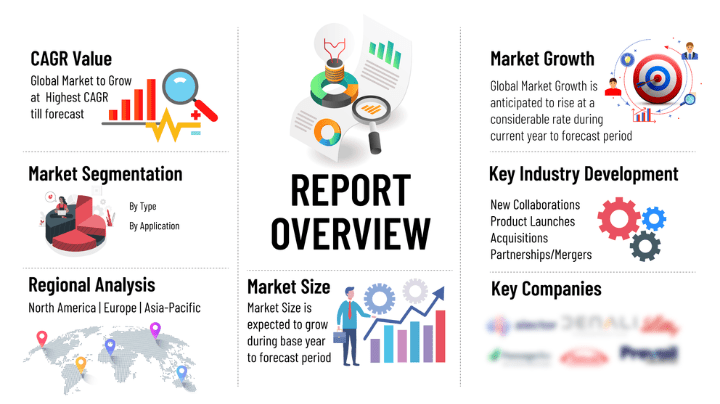
The Brain Monitoring Devices Market is undergoing rapid advancements, driven by technological innovations, a rising incidence of neurological disorders, and an increasing demand for non-invasive, real-time monitoring solutions. Brain monitoring devices are crucial tools in diagnosing, monitoring, and managing neurological diseases, including epilepsy, traumatic brain injury (TBI), stroke, and neurodegenerative conditions such as Alzheimer’s and Parkinson’s disease. These devices allow healthcare professionals to track brain activity, understand the p”Understanding the Brain Monitoring Devices Market: An In-Depth DelveInsight Report”
rogression of conditions, and personalize treatment for better patient outcomes.
This detailed analysis explores the growth drivers, technological innovations, key players, and market forecasts for the Brain Monitoring Devices Market, shedding light on the competitive landscape and future prospects of the sector.
Market Overview
Brain monitoring devices encompass a broad range of technologies, including electroencephalogram (EEG) machines, intracranial pressure (ICP) monitors, functional near-infrared spectroscopy (fNIRS), and brain-computer interfaces (BCIs). These devices are primarily used in hospitals, neurology clinics, and research environments to monitor and assess brain activity. The increasing number of individuals suffering from neurological diseases, alongside the growing demand for advanced diagnostic technologies, is driving the demand for brain monitoring solutions.
Some of the key applications of brain monitoring devices include:
- Epilepsy Monitoring: Monitoring brain activity to detect and manage seizures.
- Traumatic Brain Injury (TBI): Assessing brain function after injury for optimal treatment.
- Stroke Rehabilitation: Monitoring brain recovery and providing feedback for rehabilitation.
- Neurodegenerative Diseases: Managing chronic conditions like Alzheimer’s and Parkinson’s.
Key Market Trends
- Technological Advancements in Brain Monitoring Devices The integration of artificial intelligence (AI), machine learning (ML), and cloud computing is transforming the capabilities of brain monitoring devices. These technologies allow for real-time data processing and analysis, improving the accuracy of diagnoses, prediction of disease progression, and enabling personalized treatment plans. For example, AI-powered EEG devices can detect early signs of seizures, offering patients immediate feedback and allowing for proactive treatment adjustments.
- Rise in Wearable Brain Monitoring Devices Wearable brain monitoring devices are gaining traction, offering non-invasive, continuous monitoring of brain activity. These devices are especially useful for conditions like epilepsy, where patients can be monitored outside of the hospital, enabling healthcare providers to detect seizures remotely. The rise of wearable technology, combined with wireless connectivity and mobile apps, is expected to drive the adoption of brain monitoring devices in home care settings, reducing healthcare costs and improving patient outcomes.
- Brain-Computer Interfaces (BCIs) Brain-computer interfaces (BCIs) are gaining importance in the brain monitoring devices market. BCIs allow direct communication between the brain and external devices, such as computers or robotic prosthetics. This technology is revolutionizing the treatment of patients with severe disabilities, including those suffering from paralysis, stroke, or neurodegenerative diseases. BCIs are expected to play a significant role in neurorehabilitation and assistive technology, helping patients regain mobility and independence.
- Remote Monitoring and Telemedicine Integration The integration of brain monitoring devices with telemedicine platforms is transforming patient care by enabling remote monitoring. This shift is particularly important for chronic conditions such as epilepsy and neurodegenerative diseases, where continuous monitoring is crucial. Remote monitoring through cloud-based platforms allows doctors to assess a patient’s brain activity in real-time, enabling faster interventions and reducing hospital readmissions.
Growth Drivers of the Brain Monitoring Devices Market
- Increasing Prevalence of Neurological Disorders The rise in the incidence of neurological diseases, such as epilepsy, Alzheimer’s disease, Parkinson’s disease, and traumatic brain injuries, is a major factor driving the growth of the Brain Monitoring Devices Market. As the global population ages and lifestyle factors contribute to the rise in neurological conditions, the demand for advanced monitoring devices to aid diagnosis and treatment is expected to increase.
- Technological Innovations The rapid advancements in brain monitoring technologies, particularly in the development of AI algorithms, machine learning models, and wearable devices, are enhancing the ability to diagnose and monitor brain-related disorders. These innovations improve the accuracy, speed, and reliability of brain activity monitoring, making the technology more accessible and effective for both patients and healthcare providers.
- Telemedicine and Remote Healthcare Solutions The shift toward telemedicine and home healthcare, accelerated by the COVID-19 pandemic, is expected to continue. Brain monitoring devices that can integrate with telemedicine platforms provide healthcare professionals with real-time data and enable remote consultations, improving the quality of care for patients with chronic neurological conditions.
- Growing Investment in Neurology and Neuroscience Research Increased investment in neurological research and the development of new brain monitoring technologies by both public and private sectors is fueling market growth. Research into personalized treatments, AI-based diagnostics, and the development of non-invasive monitoring devices is pushing the boundaries of brain health management, contributing to the market’s expansion.
Challenges in the Brain Monitoring Devices Market
- High Costs and Limited Access High costs associated with advanced brain monitoring devices, such as EEG machines and BCIs, can limit their accessibility, particularly in low- and middle-income regions. This can hinder widespread adoption, especially in hospitals and clinics with limited budgets.
- Data Security and Privacy Concerns As brain monitoring devices increasingly rely on cloud-based platforms and wireless connectivity, concerns around data security and privacy are becoming more significant. Ensuring that patient data is protected and complies with regulations such as HIPAA (Health Insurance Portability and Accountability Act) is critical for market growth.
- Regulatory Hurdles Brain monitoring devices, especially those incorporating new technologies such as AI and BCIs, must undergo stringent regulatory approvals before they can be marketed. The process of obtaining approvals from regulatory bodies such as the FDA (Food and Drug Administration) and EMA (European Medicines Agency) can be time-consuming and costly.
- Shortage of Trained Professionals The effective use and interpretation of brain monitoring data require highly skilled professionals. The shortage of neurologists, neurosurgeons, and other trained healthcare providers in certain regions could limit the effective adoption and utilization of these advanced devices.
Brain Monitoring Devices Companies: Key Players
The Brain Monitoring Devices Market is highly competitive, with several prominent companies leading the way in innovation and technological advancements. Some of the key players in the market include:
- Medtronic Medtronic is a leader in the brain monitoring devices sector, offering a wide range of EEG systems, ICP monitors, and neurostimulation devices. The company’s innovative approach in combining monitoring systems with therapeutic solutions is driving its market presence.
- Natus Medical Natus Medical is a major player, particularly in the EEG and neonatal brain monitoring sectors. The company focuses on providing comprehensive solutions for neurological care, including advanced monitoring systems and diagnostic tools.
- Philips Healthcare Philips Healthcare offers cutting-edge brain monitoring solutions, including EEG devices and imaging systems for brain activity analysis. Their products are widely used in clinical settings for monitoring neurological conditions and guiding therapeutic interventions.
- BrainCo BrainCo is a leader in wearable brain monitoring devices and BCIs. The company is pioneering the development of non-invasive devices that can track brain activity in real-time, enabling both medical and consumer applications.
- NeuroPace NeuroPace specializes in responsive neurostimulation systems for patients with epilepsy. The company’s RNS® System is a groundbreaking product in the brain monitoring and treatment space, offering personalized monitoring and therapy for seizure management.
Market Forecast and Future Outlook
The Brain Monitoring Devices Market is expected to grow at a CAGR of 8-10% during the forecast period from 2023 to 2032. Key factors such as technological advancements, the increasing prevalence of neurological disorders, and the growing integration of brain monitoring devices with telemedicine platforms will drive this growth. Additionally, the demand for wearable devices and the expansion of remote monitoring capabilities will further enhance market opportunities.
Conclusion
The Brain Monitoring Devices Market is poised for significant growth, driven by technological innovations, an aging population, and the increasing demand for personalized healthcare solutions. As more devices incorporate AI, wearable technologies, and remote monitoring capabilities, brain monitoring will become more accessible, efficient, and effective. However, challenges such as high costs, data security, and regulatory approval processes must be addressed to ensure continued progress. With ongoing research, development, and investment, the market for brain monitoring devices is set to thrive, offering new opportunities for both healthcare providers and patients.
Top Selling Market Research Reports in the 2024
Asphyxia Market | Bladder Scanners Market | Calcinosis Cutis Market | Campylobacter Infections Market | Cardiac Implantable Electronic Devices Market | Cardiorenal Syndrome Market | Cellulitis Market | Clinically Isolated Syndrome Market | Dental Equipment Market | Desmoplastic Small Round Cell Tumors Market
List of Top Consulting Services by DelveInsight
DelveInsight’s Competitive Intelligence services in the hematology domain offer a strategic edge by providing comprehensive insights into market dynamics, emerging therapies, and competitive landscapes across various hematological conditions.
DelveInsight’s Competitive Intelligence News Monitoring Services provide a comprehensive and tailored approach to tracking industry developments, empowering businesses to stay ahead in the competitive landscape.
About Us
DelveInsight is a premier market research and business consulting firm specializing in life sciences, providing comprehensive insights into the pharmaceutical, biotech, and healthcare industries. Known for its in-depth market analysis, pipeline assessments, and competitive intelligence reports, DelveInsight delivers actionable data to empower businesses in making strategic decisions.
 Site Title
Leave a comment