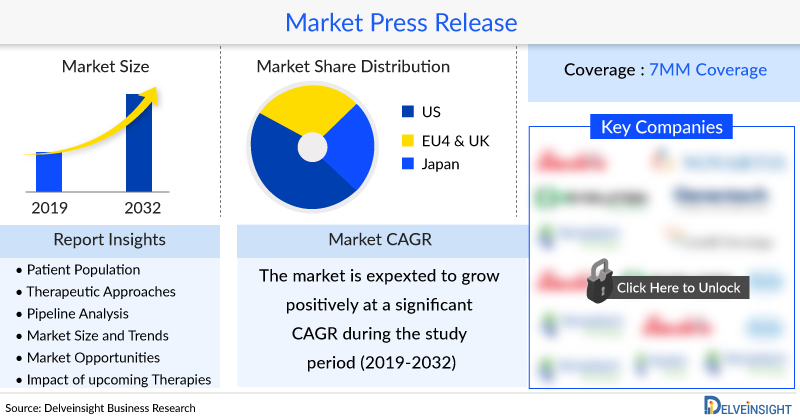
Meibomian Gland Dysfunction (MGD) is a leading cause of dry eye disease, significantly impacting the quality of life for millions of individuals worldwide. The condition arises from the dysfunction of the meibomian glands in the eyelids, which are responsible for secreting oils that prevent the evaporation of the eye’s tear film. As the prevalence of MGD continues to rise, the Meibomian Gland Dysfunction Treatment Market has gained momentum, driven by advancements in diagnostic tools, innovative therapies, and growing awareness.
Market Overview
The Meibomian Gland Dysfunction Treatment Market encompasses a range of therapeutic options, from over-the-counter lubricants to advanced medical devices and prescription drugs. The market is expanding due to an aging population, increased screen time, and heightened exposure to environmental pollutants—all of which contribute to the growing incidence of MGD.
Key players in the market are focusing on developing innovative treatments, such as thermal pulsation devices, intense pulsed light (IPL) therapies, and prescription medications aimed at managing inflammation and improving gland function. These advancements have opened new avenues for growth in the market, offering more effective and tailored solutions for patients.
Current Treatment Landscape
- Over-the-Counter Solutions:
Artificial tears and lubricating eye drops remain the first line of treatment for many patients. These provide temporary relief but do not address the underlying gland dysfunction. - Medical Devices:
Advanced medical devices such as thermal pulsation systems (e.g., LipiFlow) and IPL devices are gaining traction in the Meibomian Gland Dysfunction Treatment Market. These technologies target the root cause of MGD by unclogging meibomian glands and improving oil secretion. - Prescription Medications:
Anti-inflammatory drugs, including topical cyclosporine and lifitegrast, are used to manage inflammation associated with MGD. Antibiotics like doxycycline are also prescribed to address bacterial overgrowth and glandular dysfunction. - In-office Procedures:
Manual gland expression, microblepharoexfoliation, and other in-office treatments performed by eye care professionals are increasingly used as adjunct therapies for managing MGD.
Key Players in the Market
The Meibomian Gland Dysfunction Companies driving innovation and market growth include:
- Johnson & Johnson Vision: A leader in eye care, offering advanced diagnostic tools and therapeutic devices for managing MGD.
- Allergan (AbbVie): Known for its portfolio of prescription treatments addressing dry eye and related conditions.
- Bausch + Lomb: Focused on developing new solutions for ocular health, including MGD management.
- TearScience (acquired by Johnson & Johnson): Pioneers in thermal pulsation devices for gland treatment.
- Novartis: Actively involved in research and development of anti-inflammatory and therapeutic agents for MGD.
Market Trends and Drivers
- Increasing Prevalence:
With the growing use of digital devices and an aging population, the incidence of MGD is rising, fueling demand for effective treatments. - Advancements in Technology:
The development of innovative devices, such as LipiFlow and IPL systems, is revolutionizing the treatment landscape by providing long-lasting relief and addressing the root cause of the condition. - Awareness and Early Diagnosis:
Greater awareness of MGD among healthcare professionals and patients has led to increased screening and earlier intervention, driving demand for advanced therapies. - Focus on Personalized Medicine:
Tailored treatments based on patient-specific factors, such as the severity of gland dysfunction and comorbid conditions, are becoming a priority for Meibomian Gland Dysfunction Companies.
Future Outlook
The Meibomian Gland Dysfunction Treatment Market is poised for significant growth in the coming years. Key factors influencing its trajectory include:
- Emerging Therapies: The introduction of novel drugs and combination therapies targeting inflammation and gland dysfunction will expand treatment options.
- Global Market Expansion: Increasing awareness in emerging markets, coupled with investments in healthcare infrastructure, will drive market growth.
- Technological Innovations: Continued advancements in diagnostic tools and therapeutic devices are expected to enhance treatment efficacy and patient outcomes.
- Focus on Research and Development: Major players are investing heavily in R&D to address unmet needs and develop more effective and sustainable solutions for MGD.
Conclusion
The rising prevalence of MGD and the growing demand for advanced and personalized treatment options are driving the growth of the Meibomian Gland Dysfunction Treatment Market. With ongoing innovation and the involvement of key Meibomian Gland Dysfunction Companies, the future of MGD management looks promising. By addressing the underlying causes of gland dysfunction and improving patient outcomes, these advancements are set to transform the landscape of dry eye treatment.
Related Services Offered by DelveInsight
- Product Assessment Services
- R&D Analysis Services
- R&D Landscape Assessment, Manufacturing & Commercial Capabilities Services
- Regulatory Analysis Services
- Respiratory Domain Conference Coverage Services
Conclusion
In an industry marked by rapid innovation and fierce competition, informed decision-making is the key to success. DelveInsight’s Market & Competitive Assessment Services provide the clarity and confidence businesses need to drive growth and innovation. By partnering with DelveInsight, companies can unlock new opportunities, mitigate risks, and achieve their strategic goals.
Contact Us
Himanshu
 Site Title
Leave a comment